
Simple Steps to Find the Source of a Washer Leak and Stop It Fast
If your washing machine is leaking, you can often find the problem by checking the hoses, drain line, door seal, and water pump. Many leaks come from loose connections or worn parts. Once you spot the source, you may be able to tighten, clean, or replace the part to stop the water. Acting fast helps prevent floor damage and bigger repair bills.
What You Need Before You Start
Before you begin any washer repair, gather a few basic tools and take simple safety steps. Always unplug the machine and turn off the water supply valves behind it. This helps prevent shock or more leaking.
- Towels or rags
- A bucket
- Flashlight
- Screwdriver
- Pliers
- Replacement hose or clamp if needed
Keep the area dry as you work. Water and electricity should never mix.
Step-by-Step: How to Find and Fix the Leak
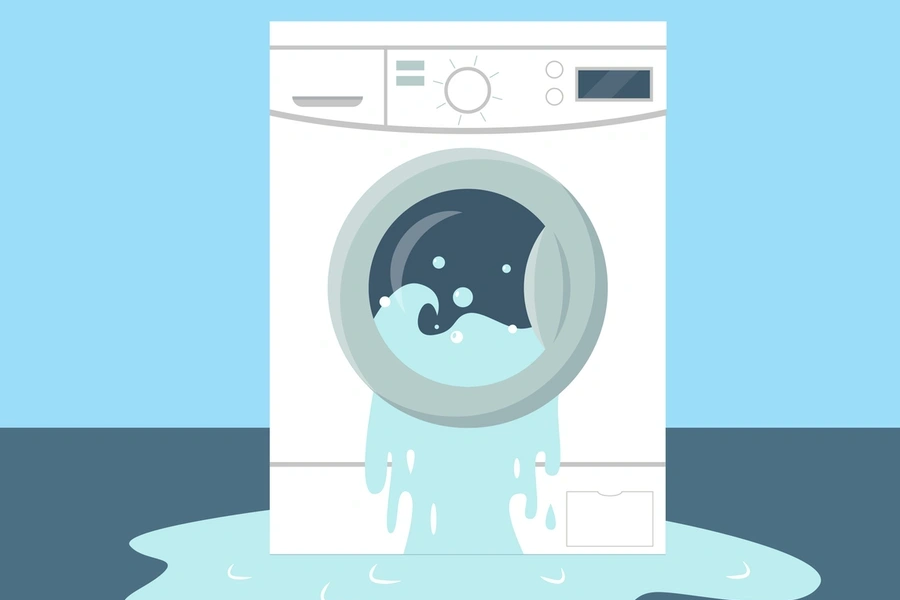
- Pull the washer away from the wall. Look at the floor underneath. If the water is near the back, it is often a hose issue.
- Check the water supply hoses. Feel along each hose for moisture. Tighten loose connections with pliers. If you see cracks or bulges, replace the hose.
- Inspect the drain hose. Make sure it is not clogged or split. A small crack can spray water during the drain cycle.
- Look at the door seal. On front-load machines, wipe around the rubber gasket. Small tears or trapped debris can cause leaks during washing.
- Check the detergent drawer. Too much soap can cause overflow. Clean out buildup and use the right amount of detergent.
- Run a short test cycle. Watch closely while it fills, washes, and drains. This helps you see exactly when the leak starts.
If water appears under the center of the machine, the issue could be the pump or internal tub seal. That type of washer repair may require part replacement and more disassembly.
Common Mistakes to Avoid
Many homeowners rush through the inspection and miss simple problems. Here are mistakes that can make things worse:
- Not turning off the water before removing hoses
- Over-tightening plastic fittings and cracking them
- Using too much detergent
- Ignoring small drips that turn into large leaks
- Tilting the washer too far and damaging internal parts
Take your time and dry each area before testing again. That way you know if the leak is truly fixed.
When to Call A Professional
Some leaks are easy to fix. Others need advanced tools and parts. If you notice any of the following, it may be time for professional washer repair:
- Water leaking from the bottom center of the machine
- Loud grinding or rattling sounds
- Rust around the tub
- Electrical burning smells
- Repeated leaking after hose replacement
Internal pump failures, cracked tubs, and worn-out bearings often require disassembly. Modern washers also have sensors and control boards that can be damaged if handled the wrong way. A trained technician can test the unit safely and replace faulty parts.
How to Prevent Future Washer Leaks
Once your leak is fixed, a few habits can help keep your machine in good shape.
- Inspect hoses every six months
- Replace rubber hoses every 3 to 5 years
- Do not overload the washer
- Use high-efficiency detergent if required
- Leave the door open after use to prevent mold buildup
Small maintenance steps can extend the life of your unit and reduce the need for major washer repair later. A quick visual check now and then can save you from water damage to floors and walls.
Get Help If the Leak Keeps Coming Back
If your washing machine in Springville, UT is still leaking after basic troubleshooting, it may be time for expert help. At Springville Commercial Appliance Repair, we handle washer repair problems of all sizes, from simple hose replacements to complex internal issues. Our team will inspect the unit, find the source, and fix it safely. Call us today at (801) 203-0939 to schedule service and protect your home from further water damage.